A driveway does more than give you a place to park. It is one of the first things people notice when they see your home. If it looks cracked, uneven, stained, or outdated, it can make the entire property feel less cared for. That is why many homeowners view concrete driveways as a practical upgrade and a long-term investment.
Concrete offers strength, curb appeal, and design flexibility. It can handle daily vehicle use, changing weather, and regular foot traffic when installed correctly. For homeowners who want a driveway that looks clean and performs well for years, concrete driveways are often worth considering.
Why Concrete Driveways Add Long-Term Value
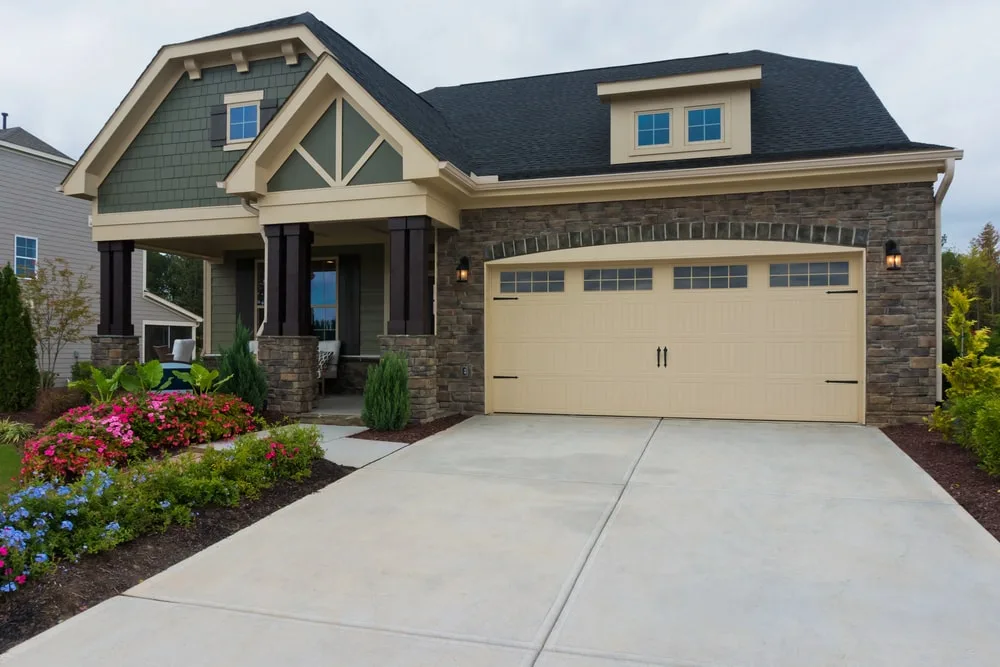
Concrete driveways are popular because they combine function and appearance. A smooth, well-installed driveway can make the front of a home look cleaner and more finished. That improved curb appeal can matter when you plan to stay in the home or prepare to sell later.
Durability also adds value. A properly installed concrete driveway can last for decades with routine care. Concrete Network notes that concrete can last for decades and generally needs less maintenance than asphalt, while asphalt often lasts around 10 to 15 years before replacement.
Concrete Driveways vs. Asphalt: A Comparative Analysis
Asphalt may cost less upfront, but concrete often provides stronger long-term value. Asphalt typically needs more frequent sealing and repairs, especially in areas with weather changes. Concrete can also offer more design options.
A concrete driveway can be finished in several ways. Homeowners can choose a classic broom finish, decorative borders, stamped patterns, colored concrete, or exposed aggregate. These upgrades can help the driveway match the home’s exterior and landscaping.
If your priority is the lowest initial price, asphalt may seem appealing. However, if you want durability, lower upkeep, and a cleaner finished look, concrete driveways often make more sense over time.
How to Choose the Right Concrete for Your Driveway
Choosing the right concrete for your driveway is crucial for its durability and aesthetic appeal.
Optimal concrete selection can breathe new life into your home’s façade, fortifying it with resilience and timeless charm.
First, understand the different types of concrete mixtures available. Standard concrete is commonly used for driveways due to its strength and longevity.
However, for a more sophisticated look, consider decorative options like stamped or colored concrete, which offer a customized touch.
Finally, consult with a reputable contractor to ensure the mixture and finish meet your specific needs.
Design Options That Improve Curb Appeal
One reason homeowners choose concrete is design flexibility. A basic concrete driveway can look clean and simple, but decorative options can add more character.
Stamped concrete can mimic stone, brick, or slate. Colored concrete can create warmer or more custom tones. Exposed aggregate adds texture and visual interest. Borders can also make the driveway look more polished without making the design too busy.
The best design depends on your home’s style. A modern home may look great with a clean broom finish and sharp edges. A traditional home may benefit from a decorative border or warmer color. A contractor can help you compare options that fit your budget and the property.
Maintenance Matters
Concrete driveways do not need constant attention, but they do benefit from regular care. Homeowners should remove leaves, dirt, oil, and debris before stains settle into the surface. Washing the driveway as needed can also keep it looking fresh.
Sealing may help protect the concrete from water and chemical absorption. County Materials notes that periodic sealing can make accidental spills easier to clean and help prevent surface defects.
In Cincinnati, freeze-thaw cycles, rain, and winter conditions can affect exterior concrete. That makes proper drainage, good installation, and routine maintenance especially important.
Durability and Longevity of Concrete Driveways
The lasting durability of concrete driveways is unmatched within the realm of driveway materials.
Concrete driveways often surpass other materials in both resilience and longevity. Withstanding the rigors of daily use, concrete driveways can triumph over the damaging effects of weather.
Indeed, it’s not just about their strength; concrete’s durability is a testament to their adaptability in diverse climates and weather conditions. Whether facing scorching heat, bitter cold, or heavy rain, concrete driveways stand firm and resist wear.
When properly installed and maintained, concrete driveways can last up to 30 years. Regular sealing, minor repairs, and periodic cleaning are essential to preserving their condition and extending their lifespan.
Investing in concrete driveways not only enhances your home’s curb appeal today but also provides enduring value for the future.
Updated Cost Considerations for 2026
The cost of a new driveway depends on size, site preparation, finish, labor, access, and whether the old driveway needs removal. As of January 2026, Homewyse estimates the basic cost to install a concrete driveway at about $9.59 to $11.78 per square foot.
Angi’s 2026 data gives a broader range, estimating concrete driveway costs between $8 and $20 per square foot, with an average total project cost around $6,400.
These ranges are useful for planning, but a local quote is still important. A simple gray concrete driveway usually costs less than stamped concrete, colored concrete, exposed aggregate, or a driveway that needs grading and drainage corrections.
Eco-Friendly Aspects of Concrete Driveways
Concrete driveways offer remarkable eco-friendly benefits that contribute positively to our planet.
Concrete driveways in Cincinnati, OH, significantly reduce urban heat island effects, which are common in cities. This reduction is crucial for maintaining lower temperatures in urban environments, leading to less energy consumption for cooling.
Moreover, it’s worth noting that concrete’s longevity reduces the need for frequent repairs or replacements. This durability minimizes the environmental impact associated with the production and transportation of additional materials, conserving resources.
The ingredients of concrete can also be made more sustainable. For instance, the use of fly ash, a byproduct of coal combustion, and ground, recycled concrete can further lessen the carbon footprint of new driveways.
The eco-conscious homeowner will find that opting for concrete driveways aligns with sustainable living principles effortlessly.
Steps to Install a Concrete Driveway
To begin, select the precise area where you want your driveway installed, ensuring it is free of obstructions and vegetation.
Mark the boundaries with stakes and strings, then excavate the soil within the marked area.
Next, lay down a base layer of gravel and compress it firmly to create a solid foundation, setting up the essential groundwork for a level and durable driveway surface.
Finally, pour and spread the concrete evenly, using a screed to level it. Allow the concrete to cure completely over several days before using the driveway, ensuring a robust and enduring finish. Regular maintenance, such as sealing, will keep your new driveway looking pristine.
Common Mistakes to Avoid When Installing Concrete Driveways
Ensuring a flawless and durable concrete driveway requires careful planning, precision, and attention to detail. However, avoiding certain prevalent errors can make the difference between a long-lasting surface and a problematic installation.
One common mistake is neglecting a proper subgrade.
Overlooking the importance of a stable foundation can lead to cracking and uneven settling (sometimes necessitating costly repairs).
Additionally, inadequate moisture control is another factor that can compromise the quality and longevity of your driveway.
Integrating sufficient drainage systems and moisture barriers can safeguard the concrete against expansion and contraction issues, averting premature failure.
Neglecting to use proper reinforcement materials, like rebar or wire mesh, will weaken the driveway, reducing its resistance to pressure and heavy loads, resulting in potential damage.
Finally, do not rush the curing process. It’s essential to ensure your concrete has enough time to set correctly. This vital step will help prevent surface defects and enhance the overall strength of your driveway.
Professional vs. DIY Concrete Driveway Installation
Choosing between a professional installation and a DIY project involves weighing factors such as expertise, time, quality, and cost. Each option has its unique merits and considerations.
Professional contractors bring years of experience to the table.
They understand various technical aspects such as subgrade preparation, proper mixing ratios, and correct placement techniques.
Moreover, professionals possess the necessary tools and advanced equipment, ensuring efficiency and precision.
Their expertise extends to installing adequate drainage systems, moisture barriers, and reinforcements (like rebar), significantly reducing the risk of future failures.
Conversely, DIY projects offer homeowners the satisfaction of hands-on involvement and potential cost savings, allowing for customization that reflects your personal style and needs.
However, the risk of errors might outweigh the benefits, especially for those without prior experience. Professional oversight guarantees a level of workmanship that ensures durability and longevity.
Enhancing Curb Appeal with Concrete Driveways
Choosing to upgrade to concrete driveways is one of the most impactful ways to elevate your home’s aesthetic appeal.
It’s not just about ensuring your home’s exterior is presentable; it’s about making a statement of quality and style. Concrete driveways provide a sleek and polished look that resonates with a sense of modern sophistication.
Beyond their clean aesthetic, the versatility of concrete means that you can have it stamped, colored, or textured, offering endless design possibilities. These customizable elements enable homeowners to create unique looks that complement their home’s overall landscaping.
The result is a visually appealing, durable, and low-maintenance driveway that transforms your home’s curb appeal and stands the test of time.
Repair and Resurfacing Options
Even a strong driveway can show wear over time. Small cracks, discoloration, and surface damage do not always mean the driveway needs full replacement. Depending on the condition, repair or resurfacing may be an option.
Crack filling, cleaning, sealing, overlays, and decorative resurfacing can refresh the surface and extend its useful life. However, if the driveway has major settling, deep structural cracks, or drainage issues, replacement may be the better choice.
A professional inspection can help homeowners avoid spending money on a short-term fix when the base issue needs a stronger solution.