
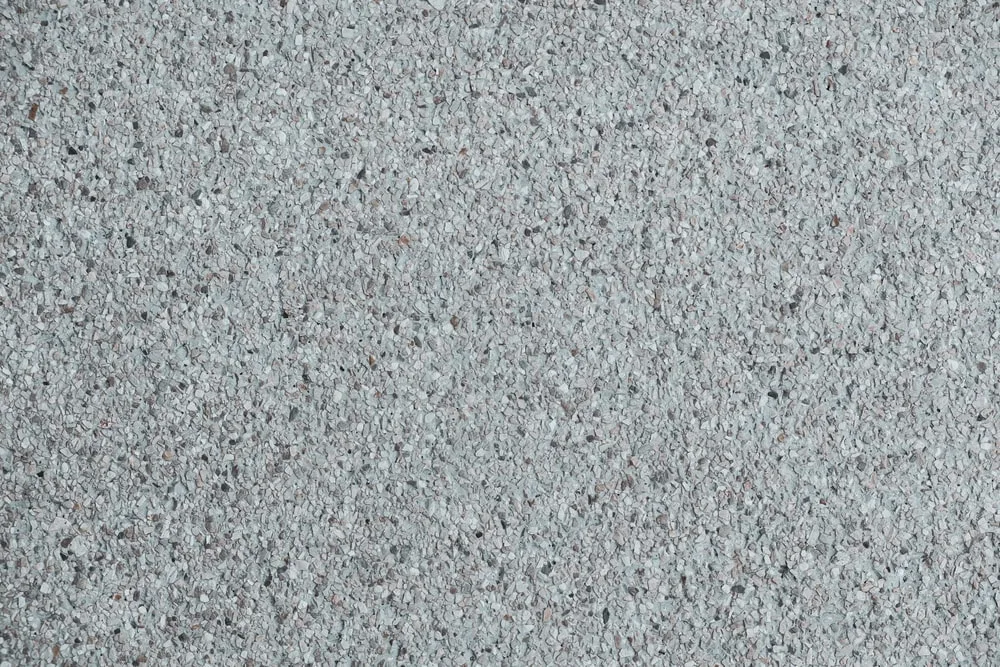
Aggregate concrete driveways are a strong choice for homeowners who want durability, texture, and a more decorative look than plain concrete. By exposing or highlighting the stone, gravel, or decorative material inside the concrete mix, this driveway style creates a surface that feels both practical and attractive.
For many homes, the driveway takes up a large part of the front exterior. That means the material, color, and finish can affect the overall look of the property. Aggregate concrete driveways give homeowners a way to improve curb appeal while still choosing a surface built for daily vehicle use.
What Are Aggregate Concrete Driveways?
Aggregate concrete driveways use a concrete mix that includes stone, gravel, pebbles, or other hard materials. Depending on the finish, these materials may stay mostly hidden within the concrete or become visible on the surface.
Exposed aggregate is one of the most common options. With this finish, the top layer of cement paste is removed to reveal the decorative aggregate underneath. The result is a textured surface with natural color variation and better visual depth than standard gray concrete.
Other options include polished aggregate, seeded aggregate, and decorative blends. Each finish creates a different look, so homeowners can choose a style that fits their home’s exterior.
Why Homeowners Like Aggregate Concrete
One of the main benefits of aggregate concrete driveways is appearance. The texture and stone detail can make the driveway feel more custom without looking too flashy. It works well with many home styles, including traditional, modern, rustic, and transitional designs.
Durability is another major advantage. A properly installed aggregate driveway can handle regular vehicle traffic, foot traffic, and outdoor weather. Concrete Network notes that concrete driveways can last for decades with proper installation and maintenance, which makes concrete a strong long-term option for residential properties.
Aggregate finishes can also add traction. Because the surface has more texture than smooth concrete, it may feel more secure underfoot, especially when wet. This can be helpful for sloped driveways, front entries, and walkways connected to the driveway.
Popular Aggregate Finish Options
Exposed aggregate is the classic choice. It reveals the natural stone in the concrete and creates a textured, decorative finish. Homeowners can choose different stone sizes and colors to create a softer or bolder look.
Polished aggregate has a smoother, more refined appearance. It is often used in decorative concrete projects where a sleek finish matters. However, for driveways, the surface must still provide safe traction.
Seeded aggregate allows decorative stones to be added to the top of the concrete before finishing. This gives the contractor more control over the final look. It can be a good choice when the homeowner wants a specific stone color or texture.
Pervious aggregate concrete may also be an option in certain situations. This type of pavement can help water move through the surface when designed correctly, although it requires proper planning, installation, and maintenance.
Comparing Aggregate Concrete to Traditional Concrete
Aggregate concrete driveways in Cincinnati, OH, with their visually stunning textures, stand out in their ability to complement any landscape.
In contrast, traditional concrete driveways, although reliable, often lack the aesthetic vibrancy that aggregate surfaces naturally offer. The inherent versatility of aggregate materials allows for a bespoke approach to driveway design, whereas conventional concrete remains more monochromatic and less customizable.
While the term “aggregate” invokes diversity, “traditional” often signals uniformity, influencing the overall impression of your home’s exterior.
Durability and Longevity
Aggregate concrete driveways offer unmatched durability, a testament to their inherent strength and robust construction. This material withstands extreme weather conditions, ensuring that your driveway remains resilient for years.
High-strength aggregate ensures exceptional resistance to wear and tear, a critical feature for driveways constantly exposed to vehicles. Investing in such a driveway redefines longevity in every possible way.
Aggregate driveways can last over 30 years when properly maintained.
This enduring quality translates to significant cost savings over time, eliminating the need for frequent repairs or replacements. Whether facing the scorching heat or freezing cold, aggregate concrete driveways remain unwavering, providing an enduring, elegant solution for your home’s exterior.
Maintenance for Aggregate Concrete Driveways
Aggregate concrete driveways are not difficult to maintain, but they still need basic care. Homeowners should sweep away debris, rinse the surface when needed, and clean spills before they settle.
Sealing is also important. A quality sealer can help protect the surface from moisture, stains, freeze-thaw exposure, and everyday wear. Decorative concrete guidance from the American Concrete Institute includes cleaning and sealing methods as part of decorative concrete flatwork practices, which shows how important finishing and maintenance are for long-term performance.
In Cincinnati, seasonal changes can be tough on exterior concrete. Rain, humidity, winter moisture, and freezing temperatures make proper drainage and routine care especially important.
Design Options for Aggregate Concrete Driveways
Aggregate concrete driveways offer a plethora of design possibilities that cater to different tastes, architectural styles, and landscape settings. From rich, earthy tones to a more polished, urban finish, the aesthetic versatility is virtually limitless.
These driveway designs not only enhance curb appeal but also provide unique textures and patterns. Investing in such customization dramatically heightens your property’s visual allure.
Color Choices
When it comes to aggregate concrete driveways, color selection plays a pivotal role in defining the character and elegance of your property.
Opting for custom color choices allows homeowners to express their individuality.
A diverse palette of colors transforms your driveway from a mundane necessity into an aesthetic masterpiece. Popular options include warm earth tones, cool grays, and a spectrum of vibrant shades.
Consider the existing architecture and landscape when selecting a color to ensure a harmonious blend with your overall design vision. With the right hue, aggregate concrete driveways become an extension of your home’s personality, elevating its charm and sophistication.
Texture Variations
Aggregate concrete driveways offer an impressive array of texture variations to elevate your space.
Tailor the tactile experience by choosing from smooth, polished, or exposed aggregate finishes.
These textures can fundamentally alter the driveway’s ambiance, providing anything from a sleek, modern surface to a rustic, durable exterior that boasts timeless appeal.
The texture you choose undeniably affects not just the aesthetic, but also the functionality of your driveway. Depending on your needs, you can opt for surfaces that prioritize slip-resistance, or those that highlight the fine, intricate detailing of the aggregate materials used. This makes selecting the perfect texture an exciting, transformative endeavor.
Installation Process of Aggregate Concrete Driveways
Installing aggregate concrete driveways involves meticulous preparation and attention to detail, laying the foundation for a durable, visually striking surface. First, the area is excavated, and the sub-base, typically composed of gravel, is laid and compacted to ensure stability.
Next, forms are installed to contain the concrete, which is then poured and leveled. The aggregate is either mixed in or hand-seeded, creating a unique texture that is both functional and beautiful.
Preparation Steps
Careful planning is crucial before embarking on your aggregate concrete driveway project.
Begin by assessing the existing driveway area and identifying any potential obstacles. Next, procure the necessary materials and tools to ensure the process runs seamlessly.
The next step involves excavating the area to the required depth, typically around 8 to 10 inches. This provides a stable base for your new driveway, accommodating any necessary drainage.
After excavation, laying a stable sub-base is essential. Gravel is often used for this purpose, as it provides excellent support and drainage. Compact the sub-base thoroughly to prevent future shifting.
Finally, install concrete forms to outline the driveway’s borders. This preparation phase sets the stage for a flawless aggregate concrete driveway.
Pouring Techniques
Skillful pouring techniques define the success of your aggregate concrete driveway transformation.
Firstly, ensure the concrete mixture is poured evenly to minimize air pockets and voids. This step is crucial for achieving a solid, durable foundation.
Subsequently, level the freshly poured concrete with precision. Use a screed to smooth the surface and maintain the proper thickness across the entire driveway.
After leveling, consider applying a surface retarder to the top layer before the concrete sets. This technique ensures that the aggregate is exposed correctly during the finishing process.
Finally, complete the process with timely curing to enhance the driveway’s strength and longevity. Pouring with finesse yields exquisite and enduring aggregate concrete driveways.
Updated Cost Considerations
Aggregate concrete usually costs more than basic broom-finished concrete because it requires more design planning, materials, and finishing skill. However, the added curb appeal and long-term durability can make it worthwhile.
General concrete driveway costs vary widely by location, driveway size, thickness, removal needs, drainage, finish, and labor. The Spruce reports that concrete driveways average around $9.50 per square foot, with added features like stamping, staining, sealing, or decorative work increasing the final cost.
For a more accurate number, homeowners should request a local estimate. Driveway shape, site access, slope, base preparation, and Cincinnati-area weather considerations can all affect pricing.
DIY vs. Professional Installation
When considering aggregate concrete driveways, a pivotal decision awaits: DIY or professional installation. Each path offers distinctive advantages, yet it’s crucial to weigh your options thoughtfully.
DIY projects often cut costs. However, they demand significant time and precise execution.
Professional installation guarantees expert craftsmanship with minimal hassle, ensuring a driveway that stands the test of time with superior quality and finish.
Ultimately, the choice hinges on your budget, skills, and time availability. Investing in professionals might initially seem pricey, but it often translates into robust, aesthetically-pleasing, and long-lasting results, justifying the expense. Choose wisely for a breathtaking driveway transformation.
Safety Features of Aggregate Concrete
Aggregate concrete driveways offer remarkable safety benefits that make them an excellent choice for homeowners.
Slip-resistant surfaces contribute significantly to reducing accident rates. Aggregate concrete excels in providing such a non-slip surface, enhancing both aesthetic and safety aspects.
By incorporating materials like crushed stone and gravel, these driveways naturally maximize traction. It’s an invaluable advantage during inclement weather conditions, ultimately minimizing the risk of slips and falls.
Moreover, the durability of aggregate concrete ensures its effectiveness under the weight of heavy vehicles. This robust characteristic means fewer repairs and less risk of structural failures, further promoting safety.
Embrace this option for a secure, visually appealing driveway that’s prepared to stand the test of time.
Environmental Benefits
Aggregate concrete driveways are not just visually appealing; they are also environmentally friendly, and their benefits extend beyond aesthetics.
Reducing urban heat islands is one notable environmental benefit.
This type of driveway significantly mitigates the urban heat island effect, which is particularly beneficial in densely populated areas. By using light-colored aggregates, these driveways reflect more sunlight and absorb less heat.
Additionally, aggregate concrete driveways are often made with locally sourced materials, reducing the carbon footprint associated with transportation. Furthermore, these driveways are permeable, allowing rainwater to seep through and replenish groundwater, rather than contributing to runoff and flooding. Collectively, these qualities contribute to a greener, more sustainable future.
Popular Trends in Aggregate Concrete Driveways
One of the most popular trends in aggregate concrete driveways is incorporating vibrant, colorful stones, creating a visually stunning array of hues and textures.
Homeowners are increasingly drawn to the natural aesthetic charm this provides.
Additionally, custom designs with geometric patterns or even artistic motifs have gained significant popularity in recent years.
Combining different aggregate materials allows for truly unique and personalized driveway finishes.
Moreover, utilizing exposed aggregate techniques has become a favored choice, revealing the beautiful texture of stones and pebbles.
Incorporating modern lighting solutions illuminates these driveways, enhancing nighttime safety and adding an elegant touch.